

From Shadows to Substance: The Purpose of Animal Sacrifices
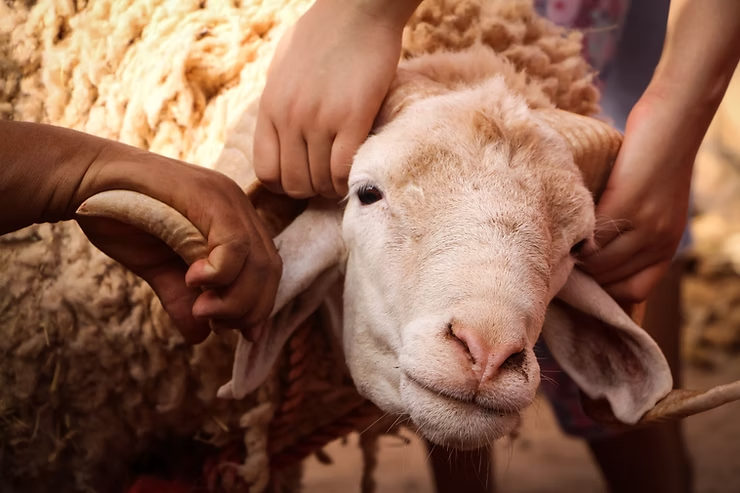
Scripture reveals animal sacrifices as God’s temporary provision pointing toward Christ’s eternal redemption (Hebrews 9:22; 10:1-4), establishing blood atonement as heaven’s required payment for sin.
Biblical Foundations of Sacrificial System
- Early Examples:
- Genesis 3:21 – First blood shed for covering
- Genesis 8:20-21 – Noah’s post-flood sacrifice
- Exodus 12 – Passover lamb prototype
- Leviticus Requirements:
- Spotless animals only (Leviticus 1:3, 3:1)
- Personal identification with sacrifice (Leviticus 1:4)
- Substitutionary death (Leviticus 4:35, 5:10)
The Day of Atonement Model
- Dual Symbolism (Leviticus 16):
- Sacrificed goat – Forgiveness through blood
- Scapegoat – Complete removal of sin
- Annual Reminder (Hebrews 10:3):
- Temporary covering requiring repetition
- Anticipation of permanent solution
Christ’s Fulfillment
- The Perfect Sacrifice:
- John the Baptist’s declaration (John 1:29)
- Sinless substitute (2 Corinthians 5:21)
- Once-for-all offering (Hebrews 7:27)
- Why Sacrifices Ceased:
- Shadow met by substance (Colossians 2:17)
- New covenant established (Hebrews 8:13)
- Eternal mediation secured (1 Timothy 2:5)
Theological Significance
- God’s holiness demands payment for sin
- God’s mercy provides the sacrifice Himself
- Faith required in both testaments (Habakkuk 2:4; Romans 1:17)
Where animal blood temporarily covered sins, Christ’s blood eternally cleanses – the Lamb slain from creation’s foundation (Revelation 13:8) now reigns as heaven’s perfect mediator.